TruSource Abstractorby TruSource LLC Open workspace
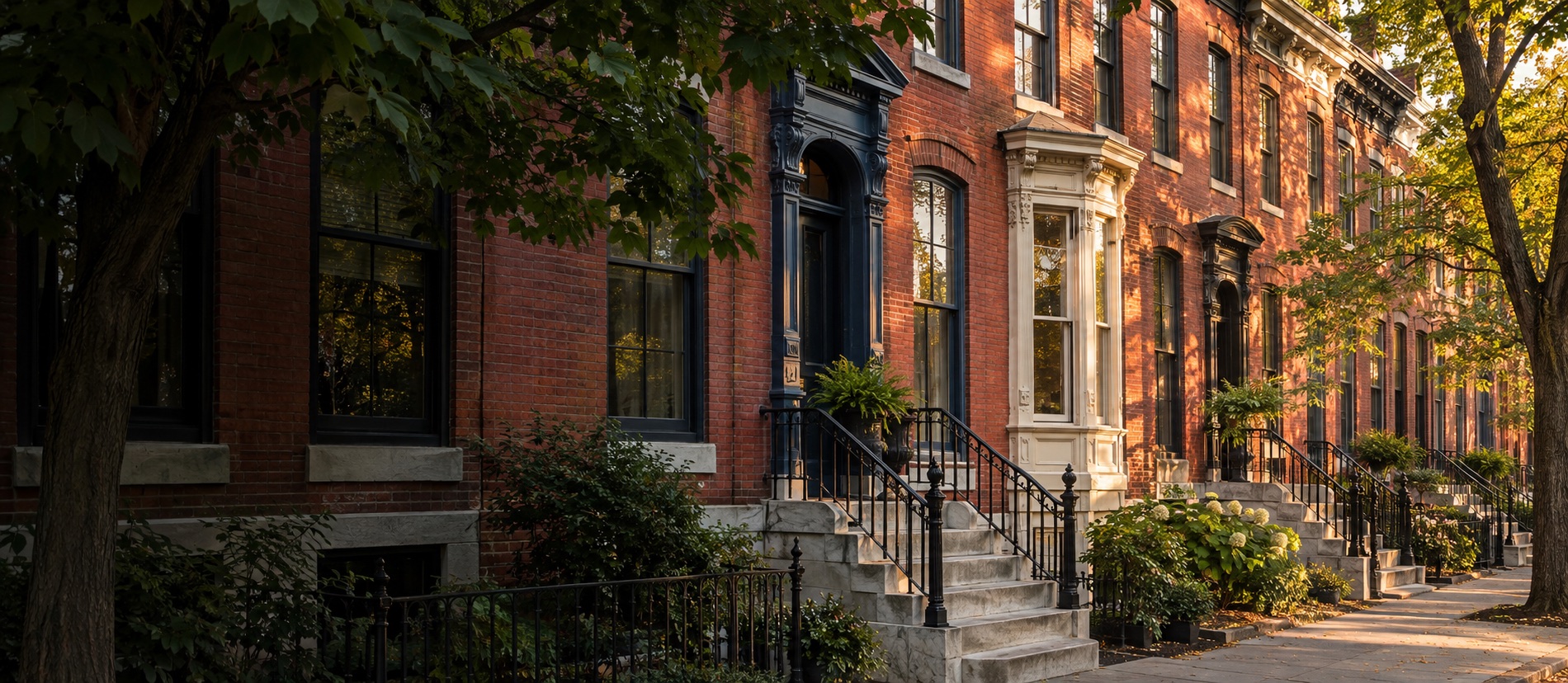
Brick rowhouses with stone stoops and iron railings in late-afternoon light.

Maryland title research

From public records
to a title abstract.

Bring deeds, liens, and local searches into a cited report an abstractor can sign and a title company can examine.

The workflow

From search to sign-off

  1. Gather the records

    Start with a Maryland address or a supplied file. Bring available instruments, index receipts, and local records into one workfile.

  2. Examine the evidence

    Compare AI-assisted readings with the original pages. Trace names, dates, and loan references, and flag anything that needs another search.

  3. Release the abstract

    The abstractor reviews and signs off on the report. The title company receives the findings, open exceptions, and source pages approved for sharing.

Who it’s for

Two perspectives on the same file

An abstractor traces a line in an archival deed ledger beside a laptop.

For abstractors

See which parties, counties, and search intervals still need proof. Reuse saved readings, resolve a questionable entry against the original, and carry your exceptions into the signed report.

When a deed is hard to read
Open the cited scan, check a handwritten surname or recording reference, and save your correction against the original page.
When a search returns no matches
Keep the receipt with the name searched, the dates examined, and the date through which the index was current.
Two title professionals compare a paper record with the file on their laptop.

For title companies

Open the page behind a finding, ask the abstractor a question, or assign a closing condition. Request a date-down and see what changed since the prior release.

When a release is missing
Assign the condition, set a due date, and attach the evidence. The designated underwriter can accept the proof or ask for more.
When the closing date moves
Request an updated search against the released abstract. Review the changes and see which local balances still need current evidence.

Sample file

Inside a residential
purchase file.

Explore three findings from a fictional Baltimore City purchase. Open each finding to see the source passage and what still needs examination.

Download sample abstract

Four-page PDF with illustrative source excerpts

Illustrative title abstract

Harbor Court, Lot 7

Residential purchase Baltimore City, Maryland

OwnershipDeed cited

The supplied deed names Rowan Ellis as grantee of Lot 7. Earlier conveyances remain outside this example.

“Grantor conveys Lot 7, Harbor Court, to Rowan Ellis.”
Read sample deed · p. 2
Deed of trustRelease outstanding

The instrument states the original principal. The supplied file contains no matching recorded release. The current balance and disposition remain open.

“The original principal secured by this deed of trust is $185,000.00.”
Read sample deed of trust · p. 3
Municipal chargesCertificate outstanding

The water statement gives a balance for one account on its issue date. The municipal lien certificate is still outstanding.

“The water account balance on May 15, 2026 is $86.40.”
Read sample water statement · p. 4

Proposed pilot pricing

Pricing for Maryland title work

The title company or independent abstractor sponsors the file. The assigned abstractor and invited client reviewers can work on it under the same platform fee.

File Pass

$35 per new file

For an occasional order or an independent abstractor trying a first file.

Pay as you go with no monthly commitment.

Title Office

$500 per month

For a title office that sends residential orders to staff or outside abstractors each month.

20 new files per month
$25 per additional file.

Agency Volume

$1,250 per month

For a title company with a steady pipeline of Maryland purchases and refinances.

60 new files per month
$20 per additional file.

What counts as one file?
One property for one purchase or refinance, counted when its sponsor authorizes work. Corrections, downloads, and a linked date-down for that same transaction share the original platform fee. Monthly file allowances reset each billing month.
Can the abstractor pay for AI?
Yes. In the proposed pilot, a title office can pay the platform fee while the abstractor funds AI at cost. If the abstractor approves $20 and the file uses $12, their AI charge would be $12.
Can we use our own OpenAI account?
On a customer-operated installation, your firm can use its own OpenAI API project and pay OpenAI directly. Your API key stays in your own gateway. The shared hosted pilot uses TruSource-managed AI.
What else should we budget for?
Paid copies and government certificates require a separate records budget. The abstractor quotes their professional report fee directly. The platform estimate is before applicable tax.
Explore the sample before choosing a plan